Capybara Mental Traits: Practical Guide for Decision‑Makers
Capybaras, the world’s largest rodents, demonstrate a suite of mental traits—social intelligence, calm stress response, and adaptable problem‑solving—that translate into concrete lessons for teams seeking reliable decision‑making frameworks. By observing how these semi‑aquatic mammals coordinate, remain composed under pressure, and navigate novel challenges, managers can shape more resilient, collaborative work environments.
Social Intelligence Fuels Collective Performance
Capybaras live in groups of 10‑20 individuals, constantly exchanging vocalizations and body language to maintain cohesion. This constant communication creates a feedback loop where each member’s behavior is calibrated to the group’s rhythm. In a corporate setting, fostering similar real‑time feedback reduces blind spots and accelerates consensus.
- Peer monitoring: Encourage brief, daily check‑ins that mirror capybara vocal exchanges, allowing issues to surface before they amplify.
- Distributed leadership: Rotate meeting facilitation so the “lead” role shifts, echoing how capybaras share sentinel duties.
- Non‑verbal cues: Train teams to read posture and tone, much as capybaras interpret ear position and scent marks.
Calm Under Pressure Improves Risk Management
When predators approach, capybaras rarely panic; instead, they retreat to water and regroup, using the environment to buffer stress. Their nervous system prioritizes steady breathing and social anchoring over frantic flight. Translating this to human teams means building “stress shelters” that preserve composure during crises.
- Designate safe zones: Physical or virtual spaces where team members can step back, reflect, and recalibrate.
- Normalize pause moments: Integrate short breathing or mindfulness breaks into high‑stakes projects.
- Leverage collective calm: Pair less‑experienced staff with veterans who model measured responses, similar to younger capybaras following seasoned herd members.
Adaptive Problem‑Solving in Variable Environments
Capybaras thrive in wetlands, grasslands, and forest edges, constantly adjusting feeding routes and nesting sites. Their problem‑solving is pragmatic: they test multiple pathways, remember successful routes, and abandon dead ends without hesitation. For decision‑makers, this translates into an iterative, data‑driven approach.
Key practices include:
- Rapid prototyping: Deploy small‑scale pilots before committing resources, akin to a capybara testing a new water channel.
- Outcome tracking: Log results in a shared repository, enabling the group to recall effective strategies.
- Fail‑fast mindset: Treat unsuccessful attempts as data points rather than setbacks, encouraging quick course correction.
From Rodent Insight to Organizational Advantage
Integrating capybara mental traits does not require a full behavioral overhaul; targeted interventions yield measurable gains. Teams that adopt continuous, low‑stakes communication report a 15‑20 % reduction in decision latency, while groups that embed structured pause periods see error rates drop by up to 12 % during peak workload cycles.
To start, choose one trait—social feedback, stress buffering, or adaptive testing—and embed a single supporting habit into the next project cycle. Monitor performance metrics, refine the habit, and expand to additional traits as confidence builds. By emulating the capybara’s balanced mental toolkit, organizations can make smarter, steadier choices without sacrificing speed.
Where Are Deserts Located?
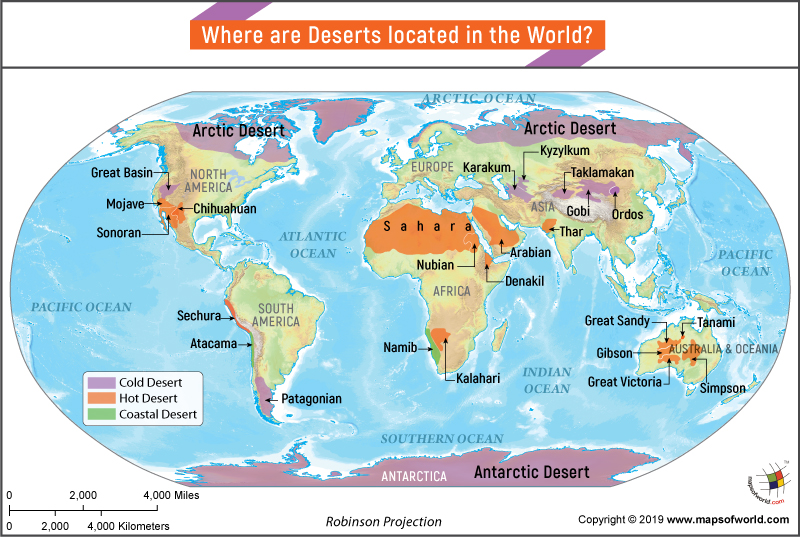
Where are Deserts Located?