How Andrew Tan Built a Legacy: Lessons from a Modern Builder’s Rise
Andrew Tan didn’t start with a blueprint for success—he built it brick by brick. From humble beginnings in a small Australian town to becoming a recognizable name in sustainable home construction, his story isn’t just about financial growth; it’s about adapting to demand, embracing innovation, and turning local challenges into competitive advantages. His approach to building homes—whether in rural Bass Coast or urban developments—reveals a formula that blends practicality with vision. Here’s how he did it.
---
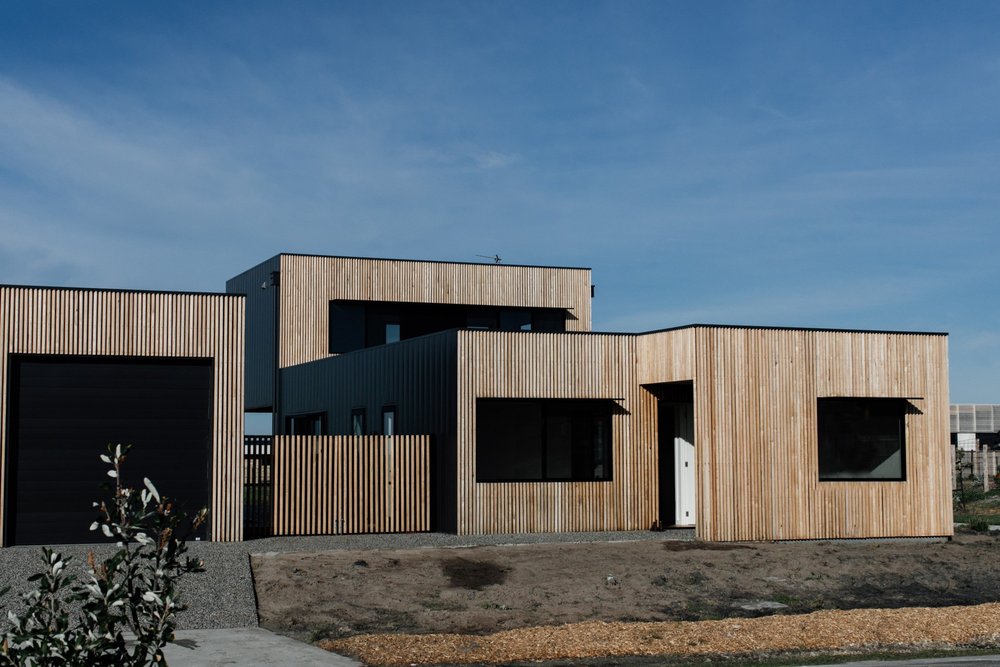
The foundation of any successful project begins with understanding the ground you’re on. For Tan, this meant recognizing that Australia’s housing market wasn’t just about quantity—it was about quality and resilience. Unlike mass-produced developments that prioritize speed over durability, Tan’s projects, like the one featured in the [Bass Coast Builder Project Page](https://images.squarespace-cdn.com/content/v1/61565174671506580023f497/e482170b-6b5d-4c48-aba5-320fe53bdd32/Harris%2BBuild%2BNew%2Bhome%2Bbuild%2Bsustainable%2Bbuild%2Bradial%2Btimber%2Bcolorbond%2Bsteel%2B%2835%29.jpg?format=1000w), focused on materials that could withstand Australia’s harsh climate—radial timber framing and ColorBond steel, for example. These choices weren’t just about aesthetics; they were about longevity. A home built to last in coastal winds or extreme heat isn’t just a selling point—it’s a promise of lower long-term costs for the buyer.
 ---
**The Right Materials for the Right Place**
Tan’s work shows that success in construction isn’t about following trends—it’s about solving problems. In regions prone to bushfires or cyclones, traditional timber can degrade quickly, while steel offers strength and fire resistance. But steel alone isn’t enough; pairing it with engineered timber (like radial timber) adds insulation and structural integrity. The result? Homes that meet local council standards *and* exceed buyer expectations for comfort and safety. This isn’t just about building a house—it’s about building trust.
For homeowners, this means fewer repairs and lower insurance premiums over time. For builders, it means repeat clients who value workmanship over shortcuts. Tan’s projects often highlight this balance, proving that sustainability isn’t a luxury—it’s a smart investment.
---
**Adapting to Local Needs**
Australia’s housing market isn’t uniform. Coastal properties need different solutions than those in the bush or inner cities. Tan’s portfolio reflects this adaptability. In Bass Coast, for instance, where ocean breezes and humidity are constant, ventilation and moisture-resistant materials are critical. His designs incorporate large windows for natural light (reducing energy costs) and sealed gaps to prevent drafts—details that add up to a more livable space.
This level of customization isn’t just about aesthetics; it’s about addressing real pain points. Buyers in coastal areas often struggle with mold or condensation in older homes. Tan’s approach anticipates these issues, turning potential weaknesses into strengths. The result? Homes that sell faster and command higher prices—not because they’re flashy, but because they’re built to perform.
---
**The Business of Building Smart**
Behind every successful project is a business model that aligns with both builder and buyer. Tan’s company thrives by offering transparency—clear timelines, no hidden costs, and a focus on quality over speed. This isn’t just good customer service; it’s a competitive edge in an industry where delays and budget overruns are common complaints.
For example, using prefabricated components (like engineered timber panels) can cut on-site labor by 30%, reducing project timelines without sacrificing quality. This efficiency isn’t just about saving time—it’s about reducing stress for clients who often face uncertainty during construction. When buyers know exactly what they’re getting and when they’ll get it, they’re more likely to choose that builder over competitors.
---
**Looking Ahead: The Next Steps**
Tan’s success story isn’t static—it’s evolving. As Australia’s focus on sustainability grows, builders who lead with eco-friendly practices will continue to stand out. This could mean incorporating solar-ready roofs, rainwater harvesting systems, or even passive design principles (like strategic shading to reduce cooling costs). The key is to stay ahead of regulations while meeting buyer demands for lower operating costs.
For aspiring builders or homeowners, the takeaway is clear: success in construction—and in life—comes from solving real problems with practical solutions. Whether it’s choosing the right materials, adapting to local conditions, or building trust through transparency, the principles are the same. The difference between a good builder and a great one? The ability to turn challenges into opportunities.
In Tan’s case, that opportunity was a blueprint for a better way to build—one that’s as durable as the homes it creates.
---
**The Right Materials for the Right Place**
Tan’s work shows that success in construction isn’t about following trends—it’s about solving problems. In regions prone to bushfires or cyclones, traditional timber can degrade quickly, while steel offers strength and fire resistance. But steel alone isn’t enough; pairing it with engineered timber (like radial timber) adds insulation and structural integrity. The result? Homes that meet local council standards *and* exceed buyer expectations for comfort and safety. This isn’t just about building a house—it’s about building trust.
For homeowners, this means fewer repairs and lower insurance premiums over time. For builders, it means repeat clients who value workmanship over shortcuts. Tan’s projects often highlight this balance, proving that sustainability isn’t a luxury—it’s a smart investment.
---
**Adapting to Local Needs**
Australia’s housing market isn’t uniform. Coastal properties need different solutions than those in the bush or inner cities. Tan’s portfolio reflects this adaptability. In Bass Coast, for instance, where ocean breezes and humidity are constant, ventilation and moisture-resistant materials are critical. His designs incorporate large windows for natural light (reducing energy costs) and sealed gaps to prevent drafts—details that add up to a more livable space.
This level of customization isn’t just about aesthetics; it’s about addressing real pain points. Buyers in coastal areas often struggle with mold or condensation in older homes. Tan’s approach anticipates these issues, turning potential weaknesses into strengths. The result? Homes that sell faster and command higher prices—not because they’re flashy, but because they’re built to perform.
---
**The Business of Building Smart**
Behind every successful project is a business model that aligns with both builder and buyer. Tan’s company thrives by offering transparency—clear timelines, no hidden costs, and a focus on quality over speed. This isn’t just good customer service; it’s a competitive edge in an industry where delays and budget overruns are common complaints.
For example, using prefabricated components (like engineered timber panels) can cut on-site labor by 30%, reducing project timelines without sacrificing quality. This efficiency isn’t just about saving time—it’s about reducing stress for clients who often face uncertainty during construction. When buyers know exactly what they’re getting and when they’ll get it, they’re more likely to choose that builder over competitors.
---
**Looking Ahead: The Next Steps**
Tan’s success story isn’t static—it’s evolving. As Australia’s focus on sustainability grows, builders who lead with eco-friendly practices will continue to stand out. This could mean incorporating solar-ready roofs, rainwater harvesting systems, or even passive design principles (like strategic shading to reduce cooling costs). The key is to stay ahead of regulations while meeting buyer demands for lower operating costs.
For aspiring builders or homeowners, the takeaway is clear: success in construction—and in life—comes from solving real problems with practical solutions. Whether it’s choosing the right materials, adapting to local conditions, or building trust through transparency, the principles are the same. The difference between a good builder and a great one? The ability to turn challenges into opportunities.
In Tan’s case, that opportunity was a blueprint for a better way to build—one that’s as durable as the homes it creates.
Bass Coast, Builder Project Page — Harris Build
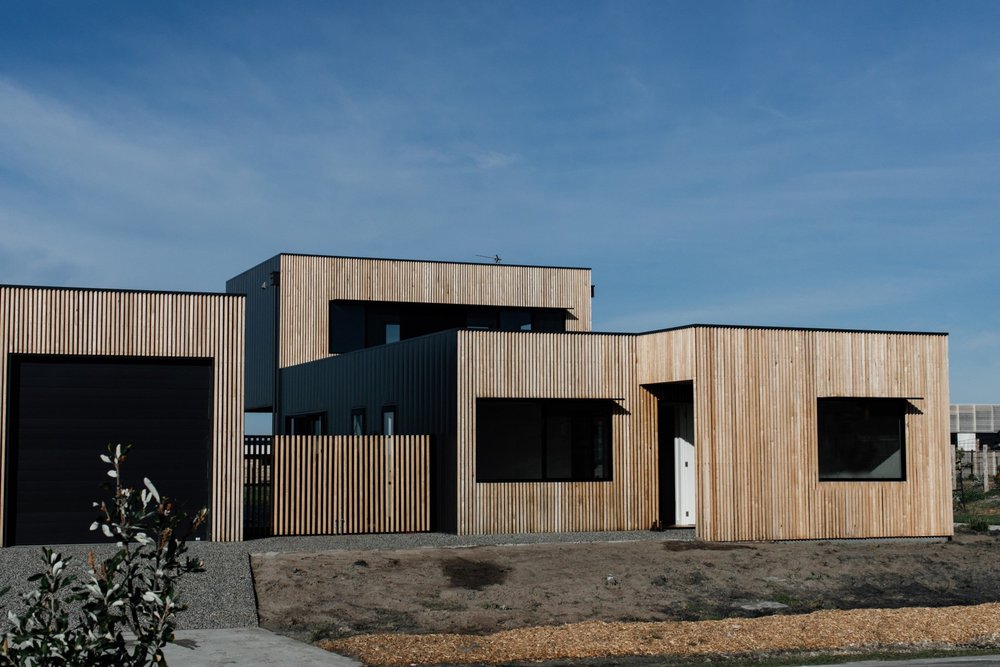
Bass coast, Builder Project Page — Harris Build