Michael Learned to Leave the Waltons: A Python Rock‑Paper‑Scissors Case Study
When longtime fan Michael swapped afternoon reruns of The Waltons for a weekend coding sprint, his first project was a rock‑paper‑scissors (RPS) game in Python. The shift illustrates how a modest programming exercise can replace habitual leisure, sharpen decision‑making skills, and provide a portable template for more complex logic problems.
Why a Simple Game Became a Learning Pivot
Michael’s motivation was practical: he wanted a quick way to practice loops, input validation, and conditionals without committing to a large codebase. An RPS app meets those criteria, offering a self‑contained scenario where every user action triggers a clear outcome. By coding the game, Michael turned a passive pastime—watching a beloved series—into an active skill‑building session.
Core Features and Immediate Use Cases
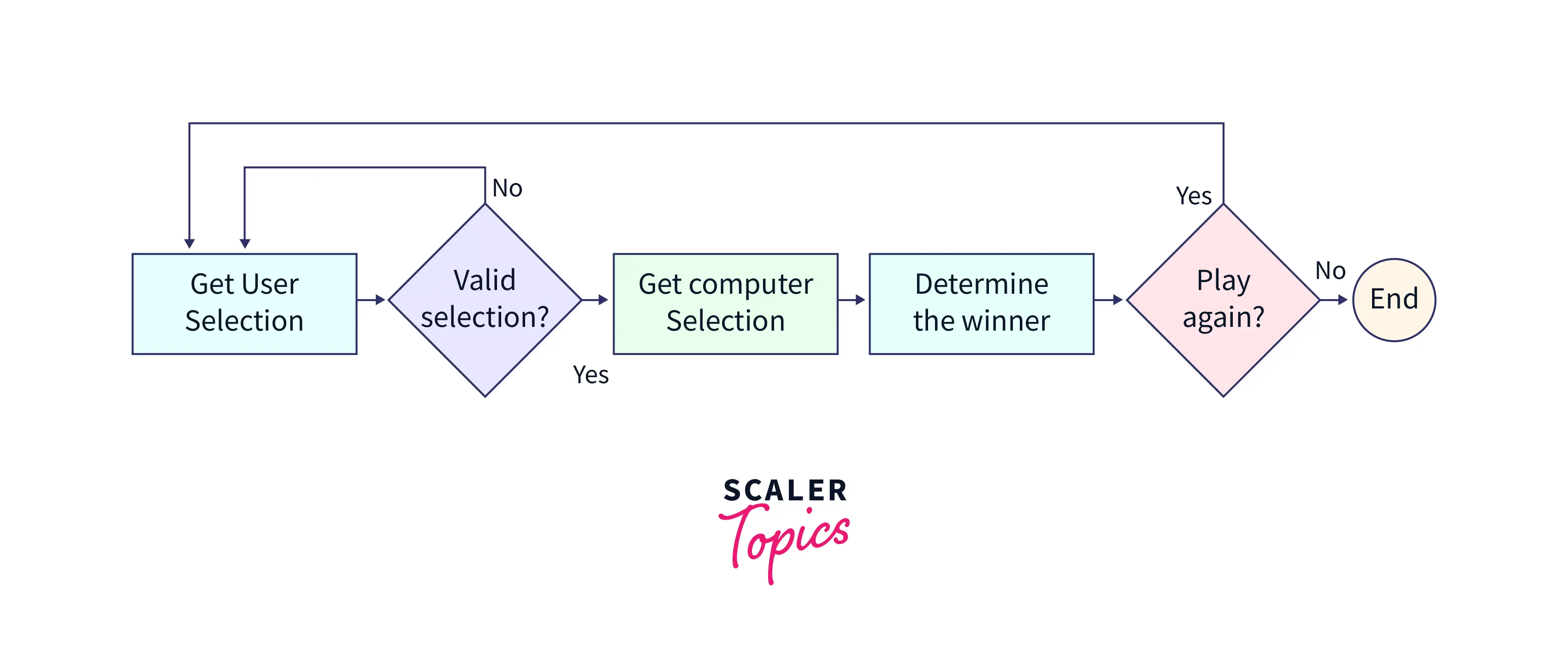
- Input validation: The program prompts the player to enter 0, 1, or 2, representing rock, paper, or scissors. Invalid entries generate a repeat prompt, ensuring the game runs smoothly.
- Randomized computer choice: Using
random.randint(0, 2), the computer selects its move, providing an unpredictable opponent. - Result logic: A series of
if‑elif‑elsestatements compare the two choices and declare a win, loss, or tie. - Extensibility: The same structure can be expanded to support best‑of‑n series, score tracking, or even a graphical interface.
Selection Criteria for Beginner Projects
When choosing a first‑hand project, Michael applied three practical filters:
- Time to prototype: The entire script fits under 30 lines, letting a learner see results within an hour.
- Concept coverage: Input handling, randomness, and conditional branches are core Python topics that appear in later, more complex programs.
- Transferability: The decision‑tree pattern mirrors real‑world logic such as menu navigation, game AI, and simple data validation.
Impact on Daily Routine
Replacing an hour of television with a coding session shifted Michael’s evening rhythm. The immediate payoff—seeing the program run and understanding each line—provided a dopamine hit similar to the narrative payoff of a TV episode, but with the added benefit of skill acquisition. Over a week, Michael logged 4–5 coding sessions, each lasting 20–30 minutes, and reported increased confidence tackling larger scripts.
Scalable Scenarios Beyond the Classroom
While the RPS example is deliberately elementary, its architecture scales to corporate training, interactive teaching tools, and rapid prototyping for UI decisions. For instance, a product team could replace a “rock‑paper‑scissors” metaphor with a “feature‑priority” selector, reusing the same input‑validation loop and outcome mapping.
Takeaway for Busy Professionals
Michael’s experience underscores a broader principle: short, self‑contained coding exercises can rewire idle habits into productive learning loops. By choosing a project that satisfies clear criteria—minimal setup, comprehensive concept coverage, and immediate utility—any busy practitioner can convert a leisure slot into a stepping stone toward deeper technical competence.