How to Convert Panama City Currency to USD Without Common Mistakes
Travelers heading to Panama City often assume the U.S. dollar is the only money they’ll need, but the country still uses the Balboa alongside the dollar, and conversion choices can add hidden costs. Understanding the official rates, where fees hide, and smarter alternatives can keep your budget on track and prevent the surprise of an inflated bill.
What is the official currency in Panama City?
Panama’s legal tender is the Balboa (PAB), which is pegged 1:1 to the U.S. dollar (USD). In practice, U.S. dollars circulate freely, and most businesses accept them without conversion. Balboa coins exist, but paper notes are always U.S. dollars. This dual‑currency system means that, technically, there is no “exchange rate” to calculate—one Balboa equals one U.S. dollar.

Why do many travelers overpay when converting to USD?
Even though the Balboa is pegged, travelers often rely on airport kiosks, hotel front desks, or street exchangers that quote rates above the official 1:1 parity. These providers add a markup—sometimes 5 % to 15 %—and may also tack on service fees. The result is a simple transaction that feels convenient but drains a travel budget.
Which conversion methods save the most money?
Using a debit or credit card that offers no foreign‑transaction fees typically yields the best rate, because the card network applies the interbank rate, which mirrors the 1:1 peg. If you prefer cash, withdrawing directly from ATMs inside the city is cheaper than kiosk exchanges; most Panamanian ATMs dispense U.S. dollars and charge only a modest bank fee. Always notify your bank beforehand to avoid declines.
How can you avoid hidden fees at airports and hotels?
Airport currency counters advertise “quick service,” but they often include a per‑transaction surcharge. A smart workaround is to exchange only a small amount for immediate needs (taxi, tip) and then use ATMs for the bulk of your cash. Hotels may also offer “exchange” services that appear convenient but are priced at a premium. Decline those offers and use the nearest ATM or a reputable bank branch instead.
What smarter alternatives exist for frequent travelers?
For business travelers or digital nomads spending weeks in Panama, opening a multi‑currency account with an online fintech provider can lock in the 1:1 rate and let you hold both Balboa and USD digitally. When you need physical cash, you can order a prepaid card loaded with USD, which can be withdrawn at ATMs without the typical exchange markup. This approach eliminates the need for repeated conversions and gives you a clear view of expenses.
What should you do if you accidentally overpay?
Most major banks will refund the excess if you can prove the transaction was at a non‑official rate. Keep receipts, note the exchange rate quoted, and contact your bank’s customer service within 30 days. Some credit‑card issuers also allow you to dispute foreign‑exchange fees, especially when the rate deviates significantly from the market standard.
By recognizing that Panama City essentially runs on U.S. dollars, choosing low‑fee cards or ATMs, and steering clear of on‑site exchange counters, you can preserve more of your travel budget. The key is to treat the Balboa‑to‑USD parity as a baseline, then pick the path that adds the fewest extra charges.
Native American Dance Historical Hi-res Stock Photography And Images
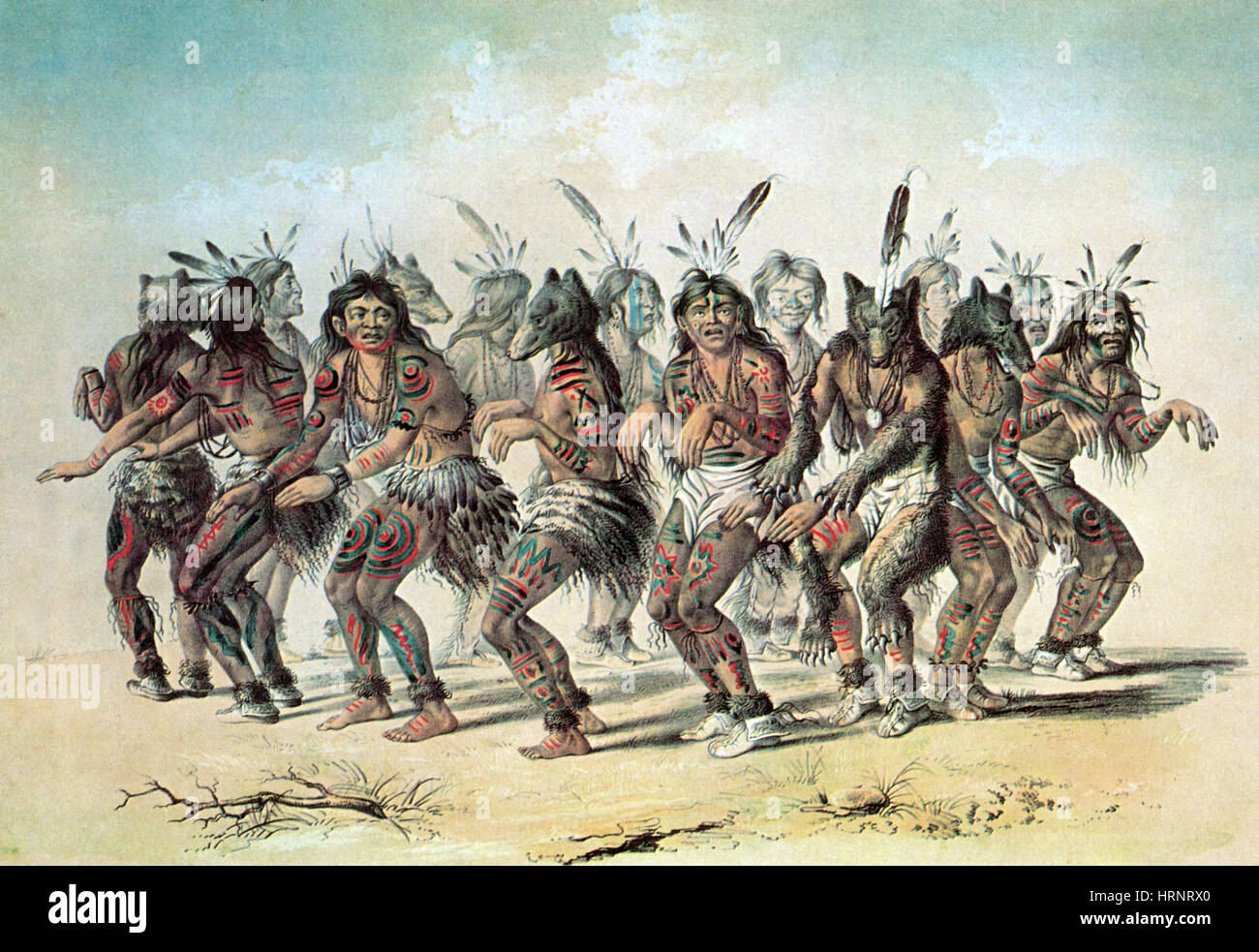
native american dance indian bear alamy stock historical americans indians doing sun
Native Pride Dancers

native dancers pride resources