How to Choose and Use Plant Coloring Pages for Kids: A Practical Guide
Parents and teachers looking for engaging, curriculum‑aligned activities often reach for printable plant coloring pages. These resources combine visual appeal with scientific concepts, helping children explore botany while developing fine‑motor skills. Below is a step‑by‑step guide that puts practicality first, showcases real‑world examples, and ends with clear recommendations for busy families.
Set the Context: Why Plant Coloring Pages Matter in Early Education
Early exposure to plant life supports literacy in science and nature. Coloring reinforces recognition of leaf shapes, flower parts, and growth cycles, turning abstract textbook terms into concrete visuals. Moreover, the tactile act of filling in colors improves hand‑eye coordination, a prerequisite for later writing tasks. For classrooms constrained by budget and time, printable pages provide a low‑cost, flexible supplement to standard lesson plans.
Pick the Right Materials: Selecting Quality Images and Supplies
Start with high‑resolution, line‑art images that print clearly on standard A4 or letter paper. The 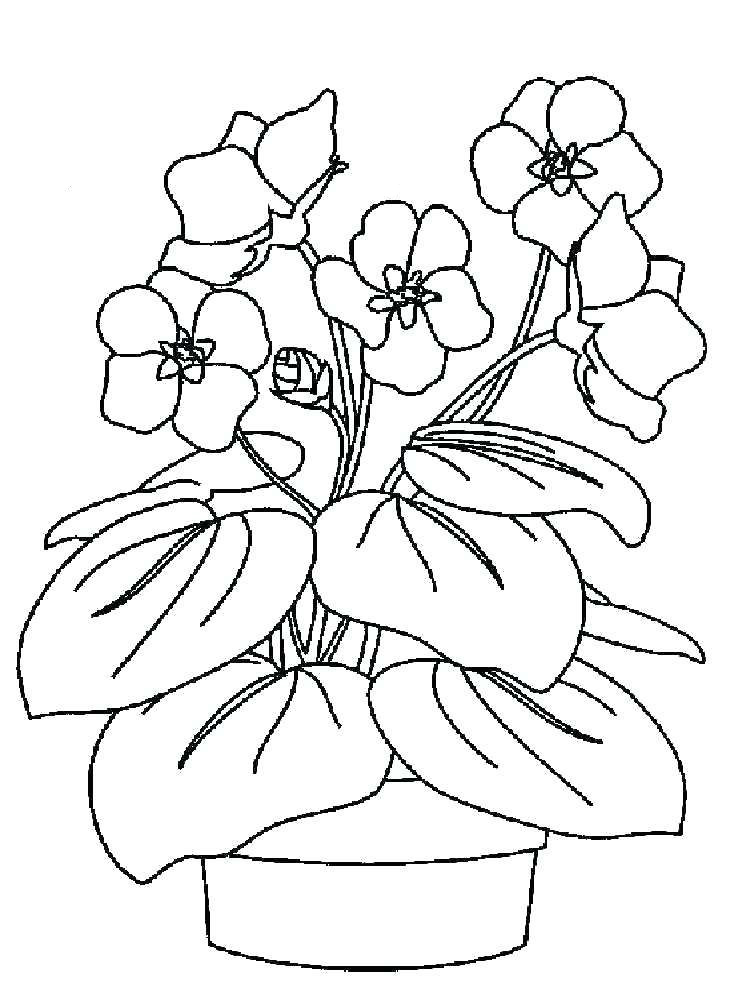 from Best Coloring Pages for Kids offers bold outlines that suit younger hands, while the
 from GetDrawings features a straightforward plant sketch ideal for kindergarteners. Pair these pages with non‑toxic crayons or washable markers; crayons require less pressure, reducing fatigue during longer sessions.
Integrate Into Curriculum: Practical Examples for Classroom Use
Science walk‑through: After a brief outdoor observation of local flora, hand out the violet coloring page. Ask students to label parts (petal, stem, root) directly on the printout, turning a free‑form nature walk into a structured worksheet.
Cross‑subject project: Combine art with literacy by having children write a short description of the plant they colored. The simple plant illustration from GetDrawings serves as a prompt for sentences like “The leaf is green and oval‑shaped.” This reinforces spelling and sentence construction while keeping the focus on the visual subject.
Home‑extension activity: Provide parents with a PDF link to the same pages. Encourage a weekend “garden art night” where kids color together, then display the finished pieces on a refrigerator gallery. This reinforces learning outside the classroom and gives families a shared, low‑stress activity.
Make It Sustainable: Tips for Long‑Term Success
Print a batch of each page at the beginning of the semester and store them in a dry folder. Rotate the selections weekly to keep interest high. For schools with limited budgets, use a single sheet per student but allow the same design to be reused across multiple classes, saving paper while maintaining educational impact.
Consider digital alternatives when printing isn’t feasible. Many sites, including GetDrawings, offer a downloadable PDF that can be projected onto a smartboard for collective coloring with stylus pens. This approach reduces waste and caters to tech‑savvy classrooms.
Recommendation: Choose Simplicity and Relevance for Maximum Engagement
For busy educators and parents, the best plant coloring pages are those that balance clear line work with educational relevance. The violet page’s bold outlines make it perfect for younger children who need confidence in their strokes, while the straightforward plant sketch supports a broader range of activities from labeling to story writing. Pair these prints with safe coloring tools and integrate them into short, focused lessons to achieve the greatest learning return without overburdening schedules.
Free Printable Flower Coloring Pages For Kids - Best Coloring Pages For
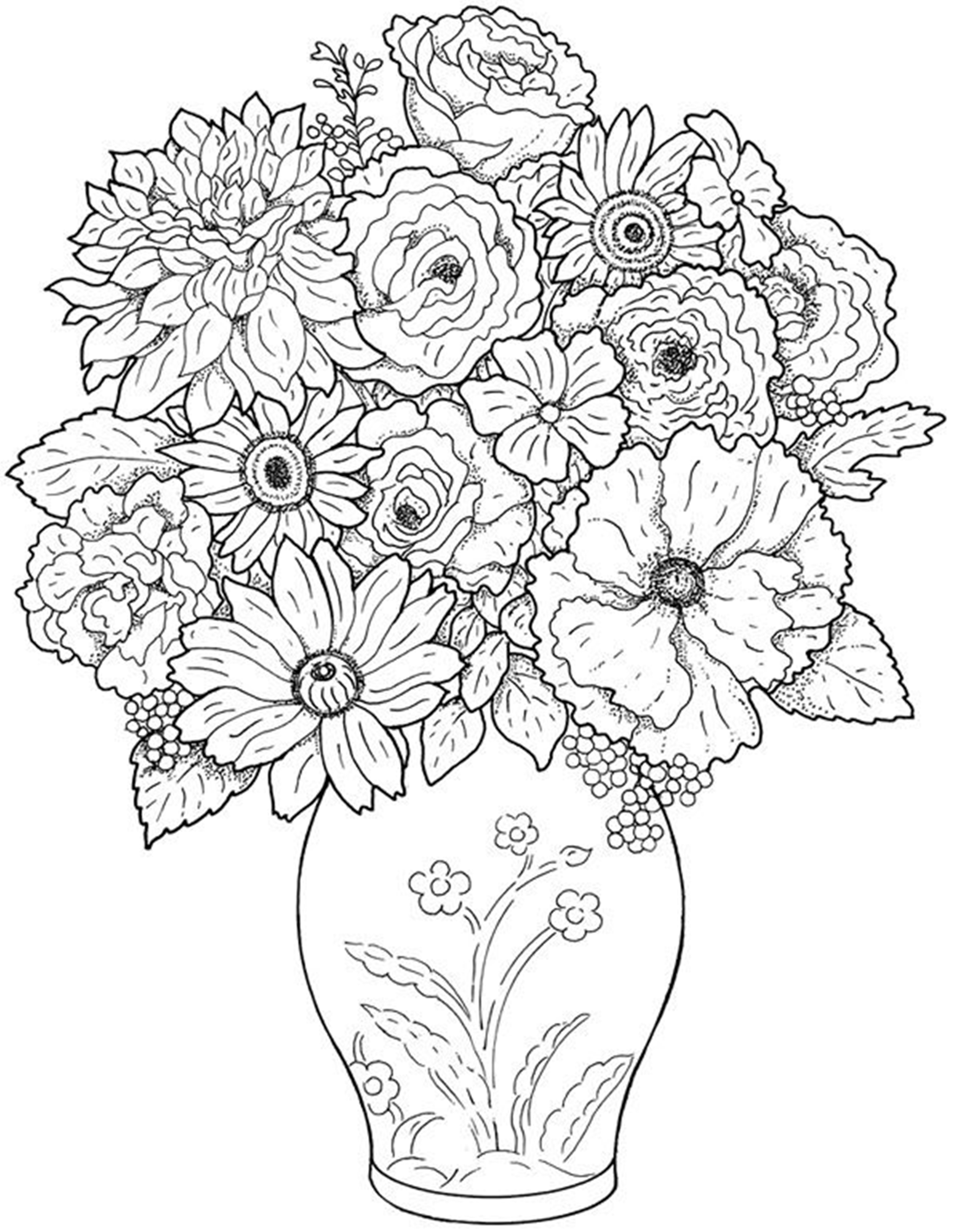
coloring flower pages vase printable kids page