Optimizing Smart Grids: Why Edge Computing is the Smarter Alternative
Modern energy systems are evolving rapidly, but the infrastructure managing them often struggles to keep pace. As utilities integrate renewable sources and IoT devices, the volume of data generated is exploding. A common trend in the industry is the shift toward edge computing to handle this influx, moving away from reliance on centralized cloud servers. This transition addresses critical bottlenecks in latency and bandwidth that traditional models simply cannot manage effectively.
Why is relying solely on the cloud a common mistake?
Many grid operators initially assume that sending all data to a centralized cloud is the best way to ensure comprehensive analysis and control. However, this approach often leads to significant inefficiencies. Transmitting terabytes of raw sensor data daily can clog network bandwidth and result in unacceptable latency. When a fault occurs on the grid, the system needs to react in milliseconds, not seconds. By the time data travels to a cloud server and back, the window for preventing a outage or stabilizing voltage fluctuations may have already closed.
How does edge computing offer a smarter alternative?
Instead of overwhelming the central network, edge computing processes data locally, right where it is generated. This means smart meters and grid sensors can analyze voltage levels or detect anomalies instantly. Only the valuable insights or alerts are sent to the central system. This method drastically reduces bandwidth usage and ensures near real-time decision-making. It transforms passive sensors into active participants in grid management, capable of isolating issues before they cascade into larger problems.
What are the long-term benefits for energy management?
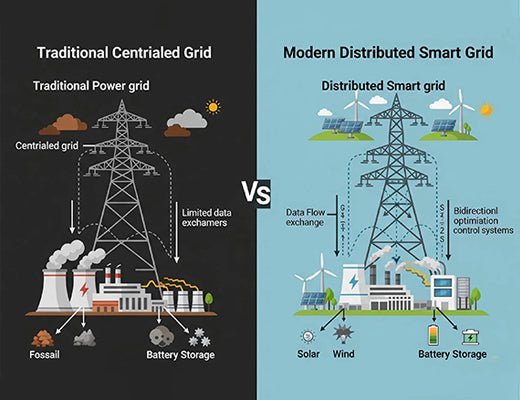
Adopting edge architecture does more than just fix speed issues; it future-proofs the grid. As decentralized energy resources like solar panels and home batteries become more common, the complexity of balancing supply and demand increases. Edge computing provides the scalability needed to manage this complexity without a corresponding explosion in cloud costs. It allows utilities to maintain stability and reliability even as the energy landscape becomes more fragmented and dynamic.