Why Are Red Diamonds Worth So Much Money? A Step‑by‑Step Look
Red diamonds command prices that dwarf even the most coveted blue or pink stones, often selling for millions per carat. Their extraordinary cost stems from a perfect storm of extreme rarity, natural color chemistry, and a market that treats each specimen as a unique collectible.
When a Collector Sees a Red Gem: The Rarity Factor
Only a handful of red diamonds have ever been documented. Unlike other colored stones, red diamonds are not produced by impurities but by a rare lattice distortion that bends light to a vivid hue. Estimates suggest that fewer than 30 stones larger than 0.5 carat exist today, making supply effectively nonexistent.
Step 1 – Identify the Origin
The majority of known red diamonds come from the Argyle mine in Western Australia, which ceased production in 2020. With that source gone, any newly discovered red remains a singular event, instantly driving demand.
Step 2 – Verify the Color Grade
Professional labs grade red diamonds on a scale from “faint” to “vivid.” A vivid red—often described as “blood‑red”—is the only grade that consistently reaches the highest price brackets.
When You Read a Sales Listing: Color Chemistry Meets Market Desire
Red diamonds owe their hue to a subtle shift in the carbon lattice that filters out all colors except red. This phenomenon cannot be replicated synthetically on a commercial scale, so collectors value the natural occurrence as a geological miracle.
- Scarcity meets status. Owning a red diamond instantly signals exclusivity, akin to possessing a one‑of‑a‑kind artwork.
- Limited resale options. Because each stone is unique, secondary‑market buyers often pay a premium for provenance and clarity.
- Investment perception. High‑net‑worth investors treat red diamonds as a hedge against volatility, similar to rare stamps or vintage cars.
When You Consider Buying: Practical Implications for the Everyday User
For most local shoppers, a red diamond is out of reach, but understanding its value can inform broader gemstone decisions.
- Set realistic expectations. If a jeweler offers a “red diamond” at a discount, verify the color grade and carat weight; many are treated or synthetic and command far lower prices.
- Ask for certification. A GIA or IGI report confirming a vivid red grade is essential for any resale or insurance claim.
- Compare with other colors. A pink or yellow diamond of similar size may provide comparable visual impact at a fraction of the cost.
When the Market Shifts: Future Outlook
With the Argyle mine closed and no new major sources discovered, the supply curve for red diamonds is effectively flat. Demand, driven by collectors and investors, is expected to remain steady or increase, meaning prices will likely continue to rise. For anyone tracking luxury assets, red diamonds serve as a benchmark of ultimate rarity.
La Population Mondiale - Blog Des Cm2 De La Grande Ile
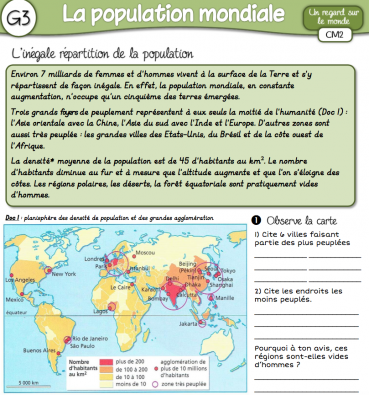
La population mondiale - blog des cm2 de la grande ile